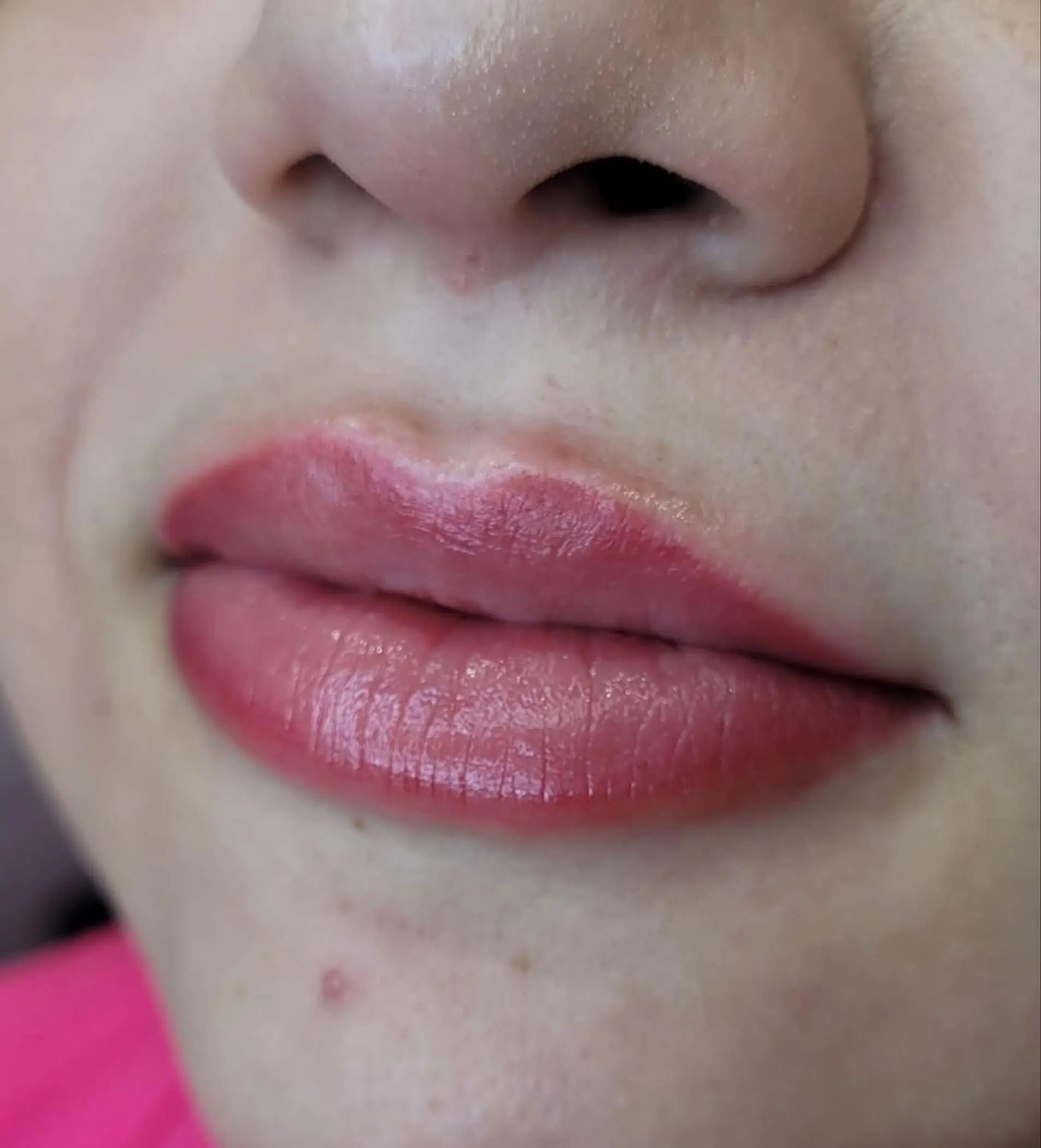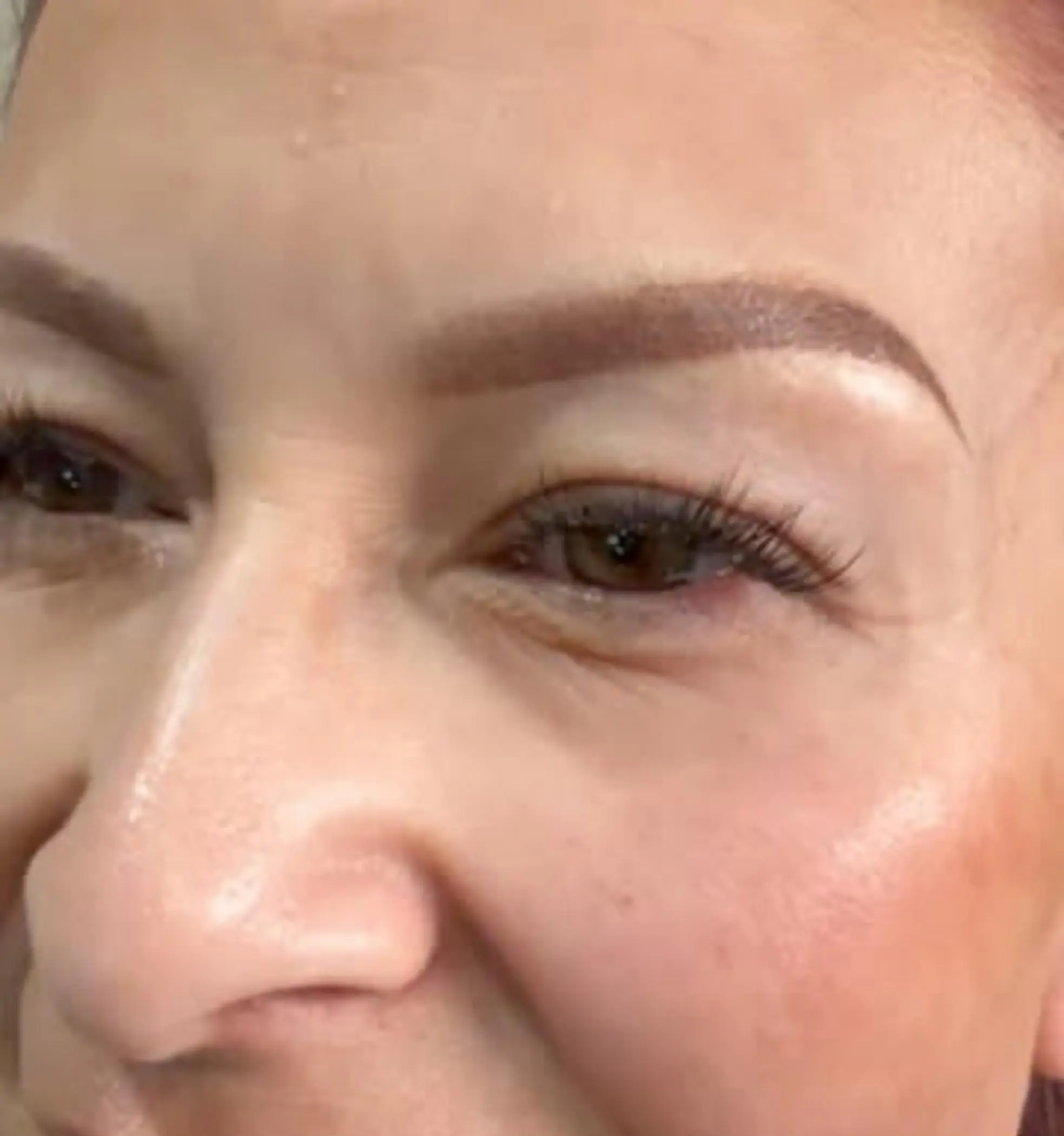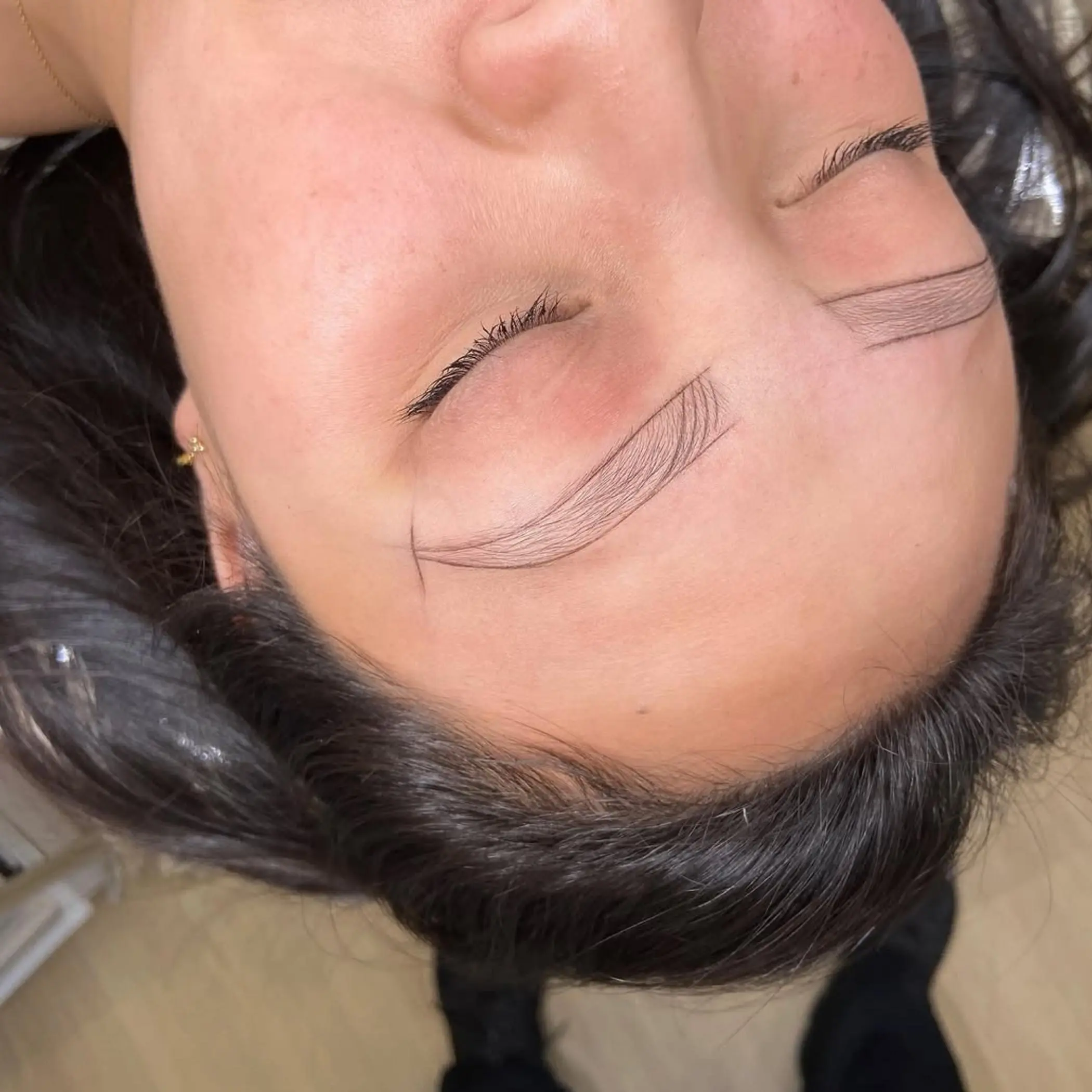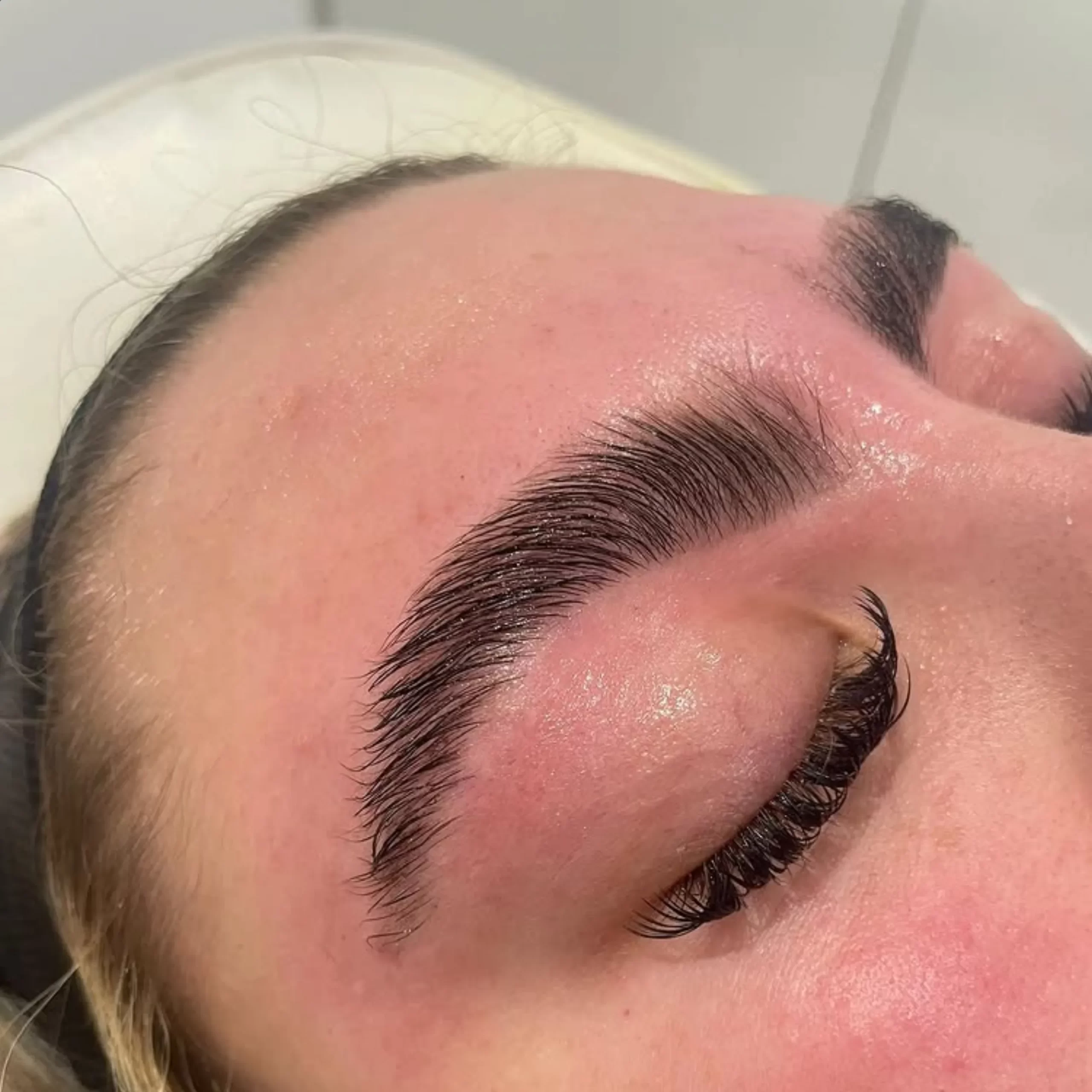
Let’s talk qualifications. If you’ve ever wondered what qualifications do I need to do eyebrows? — whether it’s for brow shaping, tinting, lamination or full-blown cosmetic tattooing — you’re not alone. We get asked this in our Brisbane studio all the time by beauty students, clients curious about our background, and even seasoned makeup artists looking to upskill.
Truth is, brow work isn’t just about holding a pair of tweezers or drawing a decent arch. It takes real training, knowledge of facial anatomy, skin health, hygiene protocols, and an eye for detail (especially when there’s pigment involved). Understanding colour theory, face shapes, hair structure, and skin types is essential. Let’s break it all down below.
Training is a must
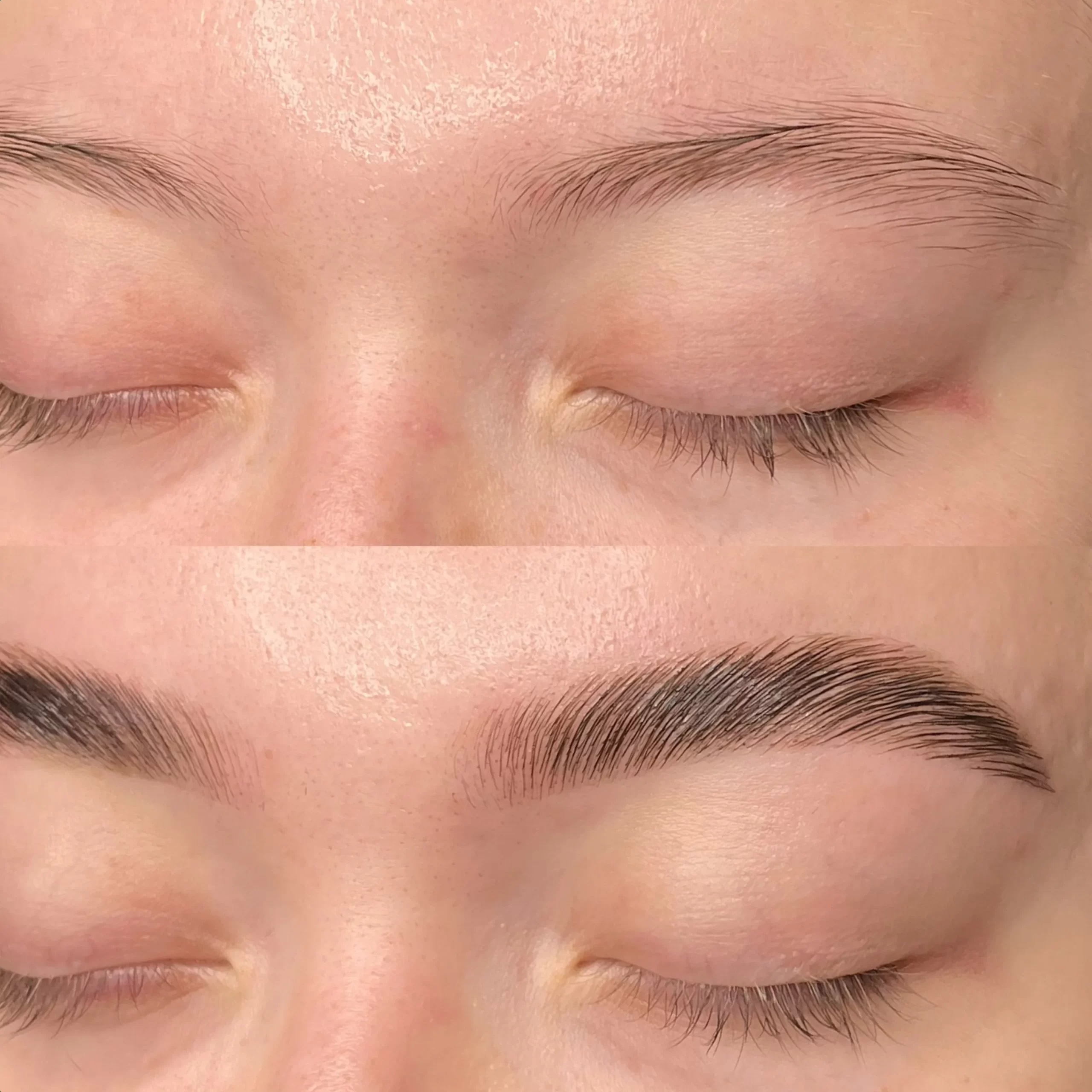
Not every brow artist has a diploma in beauty therapy — and that’s okay. But you do need accredited training that matches the service you plan to offer. Why? Because you’re working on someone’s face, and skin integrity matters.
In Australia, brow treatments fall under different categories depending on whether they involve skin penetration, tinting, or just grooming. Here’s what that means:
- Basic shaping (tweezing, waxing, trimming): No formal qualification required, but a Certificate III or IV in Beauty Therapy is highly recommended.
- Brow tinting and hybrid dyes: Requires chemical handling training and skin safety awareness. A short course or unit on tinting is expected.
- Brow lamination: Involves chemical processing. You’ll need a specific brow lamination course that includes theory, product types, and hands-on training.
- Cosmetic tattooing (like powder brows or feather strokes): Requires a nationally accredited qualification in Cosmetic Tattooing and a skin penetration licence from your local council.
If you’re interested in a more natural tattoo effect, consider enrolling in an eyebrow feathering course that focuses on delicate, hair-like strokes.
In Queensland?
If you’re doing cosmetic tattooing in Brisbane, you’ll need to register as a skin penetration business and hold a personal licence. Your studio will also be inspected for compliance with hygiene and infection control standards, as well as local council regulations.
Accredited vs. Non-Accredited Brow Courses
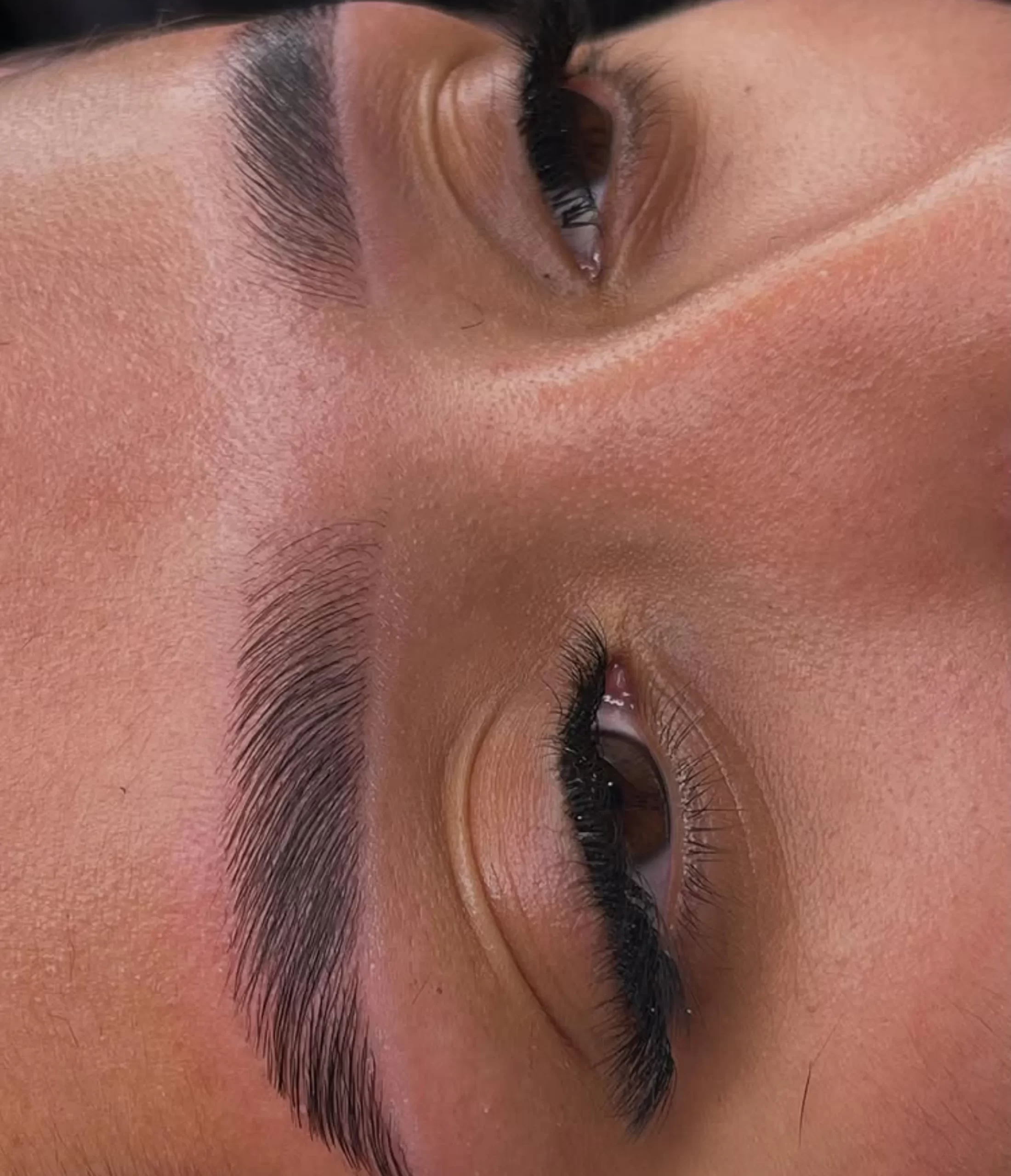
It can be a bit confusing when you see brow lamination workshops advertised online with certificates handed out after a few hours. Here’s how to spot the difference:
| Course Type | Accredited | Non-Accredited |
|---|---|---|
| Recognised Qualification? | Yes (e.g. Certificate III/IV, SHBBSKS003) | No |
| RTO-Delivered? | Yes (Registered Training Organisation) | Not necessarily |
| Government-Approved? | Yes | No |
| Industry Insurance Valid? | Yes | Sometimes (check with provider) |
| Suitable for Licensing? | Yes | Usually not |
If you’re offering brow tattooing or brow lamination Brisbane-wide, choose courses that are delivered by a Registered Training Organisation (RTO) and include both theory and practical assessment.
Licensing and Skin Penetration Laws in Brisbane
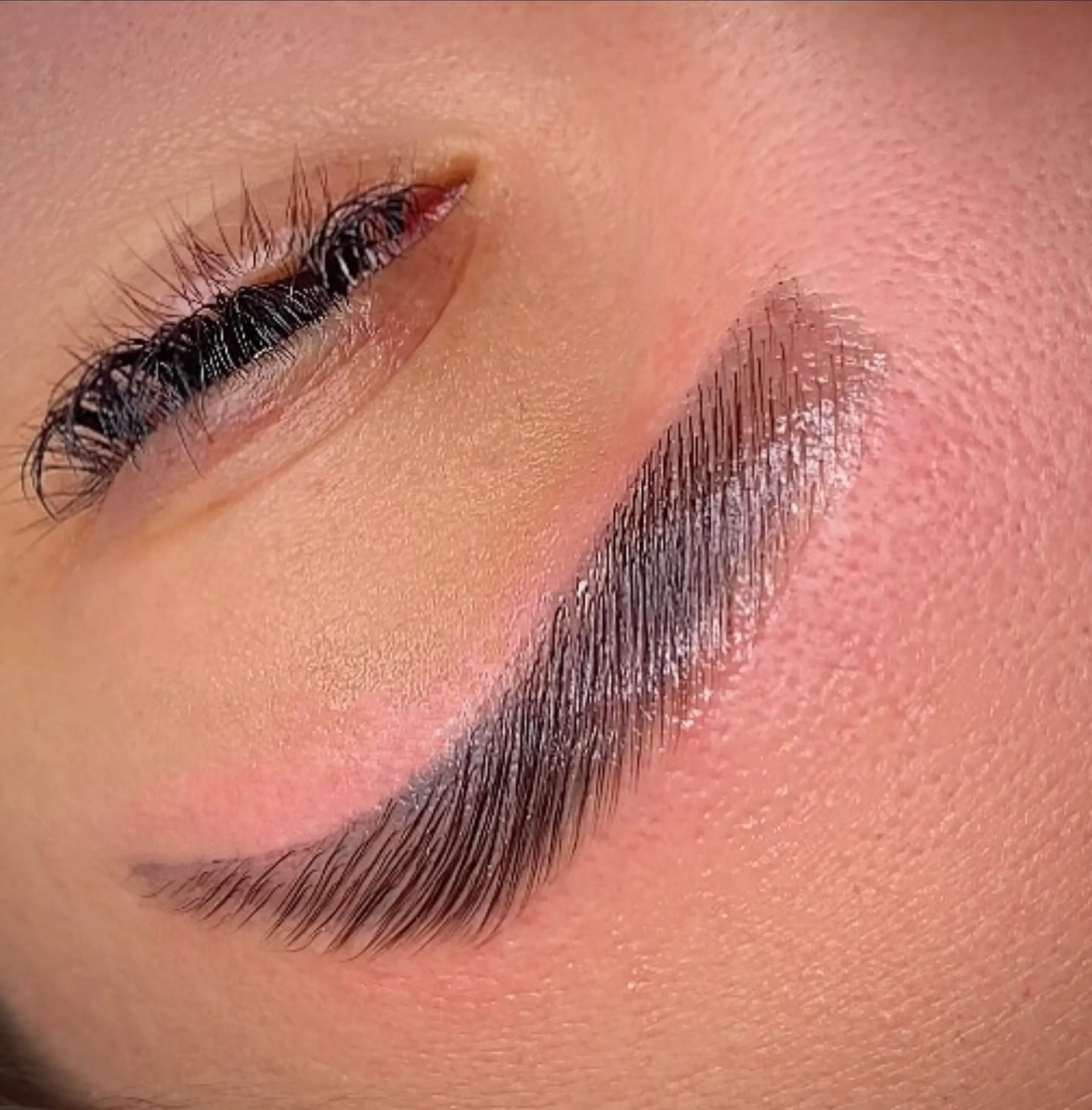
This is where many beauty therapists get caught out. Cosmetic tattooing, microblading, or anything that involves breaking the skin must meet Queensland Health regulations.
You’ll need:
- A completed infection control certificate (HLTINF005 is common)
- A nationally recognised cosmetic tattoo certificate under the Australian Qualifications Framework
- Registration with Brisbane City Council as a skin penetration business
- A council-approved treatment room that meets hygiene codes (think: clinical surfaces, proper waste disposal, handwashing facilities)
At Cosmetic Tattoo Studio Face Figurati in Brisbane, we ensure every artist holds these licences and keeps them current. It’s part of building trust with clients — and delivering safe, professional eyebrow services every time.
Insurance and Safety Protocols
No matter how minor a brow service might seem, accidents can happen. That’s why professional indemnity and public liability insurance are essential.
To get insurance as a brow artist, most providers will ask:
- What formal qualifications you hold
- Whether your training was done via an RTO
- What treatments you plan to offer (e.g. lamination, tattooing, tinting)
It’s not enough to have an Instagram portfolio. You need paperwork that backs up your skills — especially when working with chemical cream or semi-permanent pigment application.
If you’ve completed training in feather brows tattoo, make sure it’s documented and recognised for insurance purposes.
What We Look for in New Brow Artists
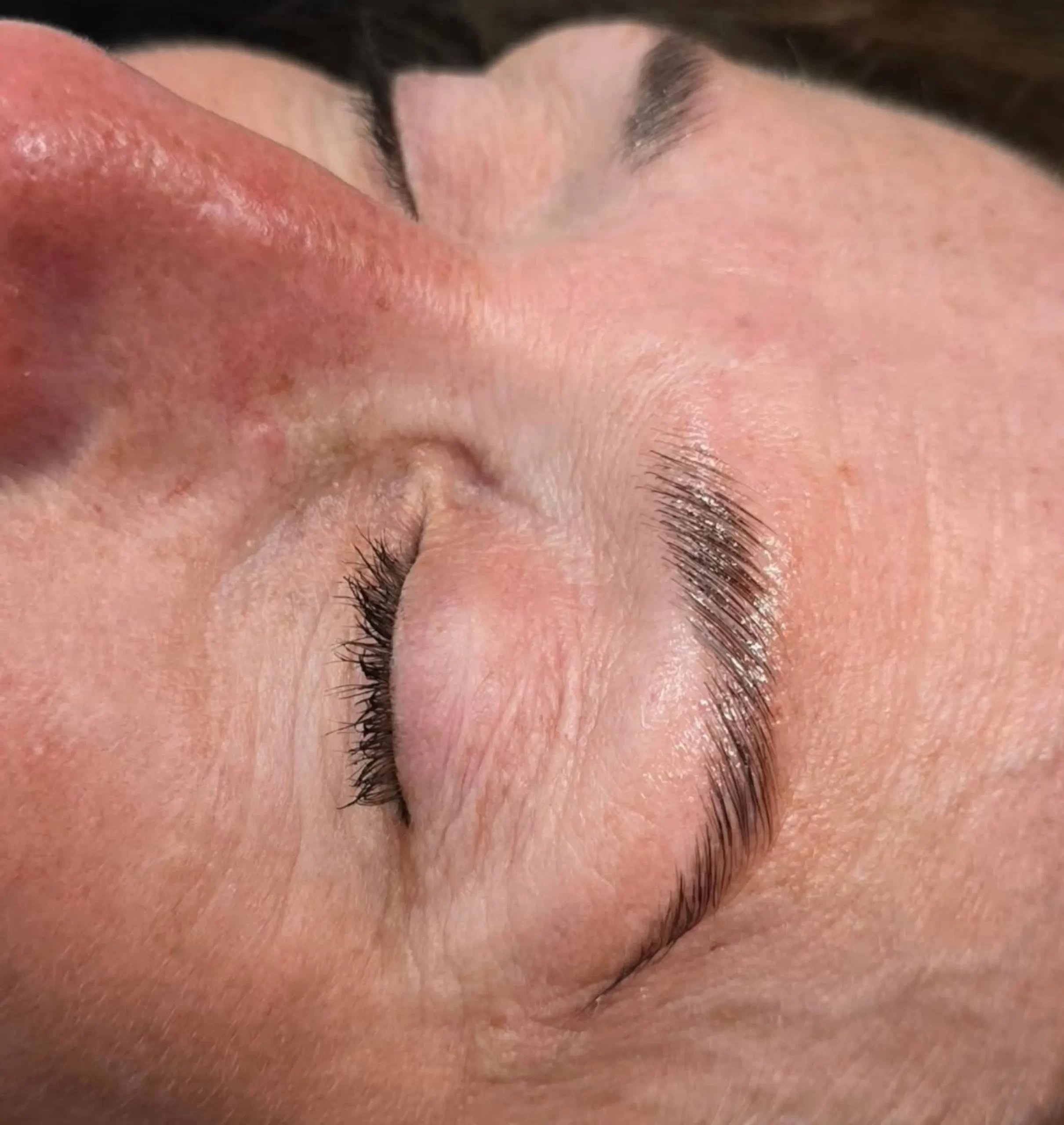
We mentor a lot of new technicians and love seeing fresh faces enter the industry. But here’s the honest truth: a certificate alone doesn’t make you job-ready. We’re looking for:
- Brow assessment and facial mapping skills
- Client consultation confidence
- Solid hygiene habits
- A deep understanding of brow hairs, growth patterns and contraindications (like certain skin conditions)
- A respectful approach to client skin tone, shape preferences, healing responses and cultural considerations
Eyebrow feathering is getting more popular for clients wanting subtle, hair-stroke results — but it takes proper mapping, pigment depth and pressure control to do it well.
Is a Certificate III in Beauty Therapy Enough?
Short answer? It depends. A Certificate III covers basics like brow shaping, waxing and tinting. But for more advanced treatments like brow lamination, hybrid brow styling or ombre tattooing, you’ll need to take extra units or do a specialty course.
Some examples:
- SHBBINF002: Maintain infection control standards
- SHBBSKS003: Design and provide cosmetic tattooing
- Cosmetic Tattooing Diploma: To become a qualified cosmetic tattoo artist or microblading technician
- Online beauty courses: Often include theory but may not have supervised practical assessment
If you want to specialise in realistic, natural-looking brows, an eyebrow feathering course is a great way to hone your pigment application skills.
Make sure you choose a training provider that offers both theory and real-world, supervised practice. That’s how we train in our studio: no guessing, no skipping the hard stuff.
Right Qualifications Matter for Your Clients
Clients won’t ask to see your certificate every day, but they can feel the difference between a rushed brow wax and a thoughtful brow assessment. Proper training helps you:
- Do not, damage brow hairs during waxing or lamination
- Choose the right brow tint shade for different undertones
- Know when a client isn’t a good candidate (e.g. sensitive skin, dermatitis)
- Follow brow lamination kit steps (perming solution, neutraliser, aftercare)
- Deliver consistent results across different skin types
- Manage client consulting and client care effectively
Plus, well-trained, brow professionals have long term client retention and fewer complaints.
2025 Beauty Trends: What They Mean for Brow Training
In 2025, clients want natural, low maintenance beauty with results that last. Brow artists need to adapt.
Some trends to watch:
- Hybrid brow services: Tinting, waxing and lamination for a sculpted but soft look
- Semi-permanent brows: Powder brows and ombre shading are in for clients wanting natural beauty without daily effort
- Skin-first approach: Clients with eczema or rosacea need tailored brow procedures
- Social media ready results: Clean, healed results that photograph beautifully without over-filtering
Eyebrow feathering is back as more clients are going for a hyper-realistic brow look.
To meet this demand, training courses are updating their modules. Look for content that covers:
- How to adjust your brow lamination process for sensitive skin
- Allergy patch testing protocols
- Sustainable tint and chemical processing options
- Service protocols and salon-inspired facilities for hygienic delivery
Final Thoughts
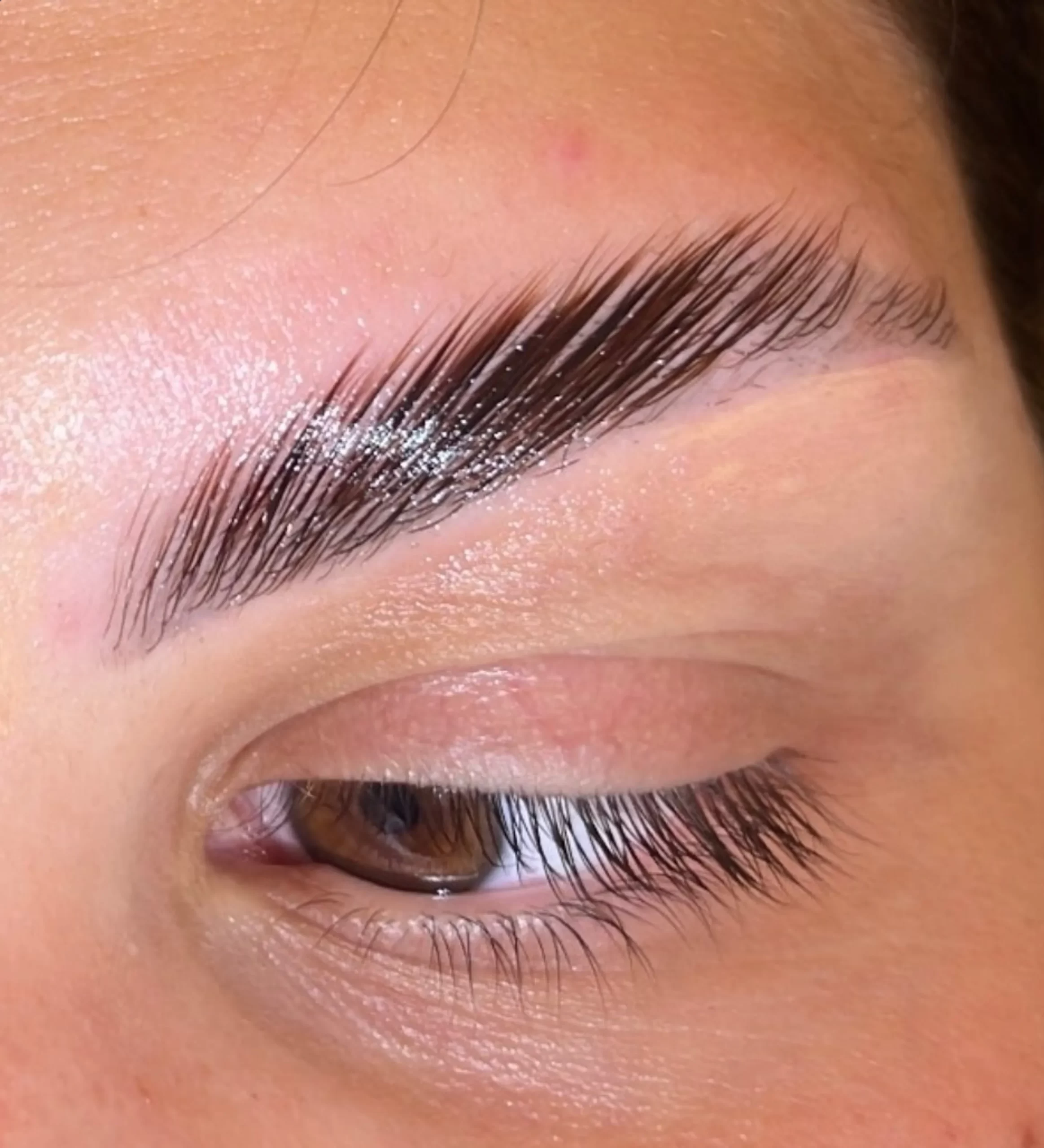
So, what qualifications do I need to do eyebrows? The answer depends on what services you want to offer and how serious you are about safety and skill. Whether it’s a full brow lamination course, eyebrow feathering course or a nationally recognised tattooing certificate, invest in the training that sets you (and your clients) up for success in the beauty industry.
FAQ
Can I do brow lamination without a beauty diploma?
Yes, as long as you complete a specialised brow lamination course that includes hygiene, product safety and chemical cream use.
Do I need a licence to tint eyebrows in Brisbane?
You don’t need a personal licence for tinting, but training in safe chemical handling is essential. Always patch test clients and follow tinting guidelines.
What qualifications do I need for microblading?
You’ll need a cosmetic tattooing certificate, infection control training and a skin penetration licence. Also register your premises with Brisbane City Council.
How do I choose a good brow course?
Look for RTO-approved courses with supervised practice, detailed manuals, colour theory and post-course support. Ask about their insurance recognition.
Can I work from home as a brow technician?
Yes, but only if your home is council-approved for beauty treatments. You’ll need a compliant treatment room and waste disposal system.