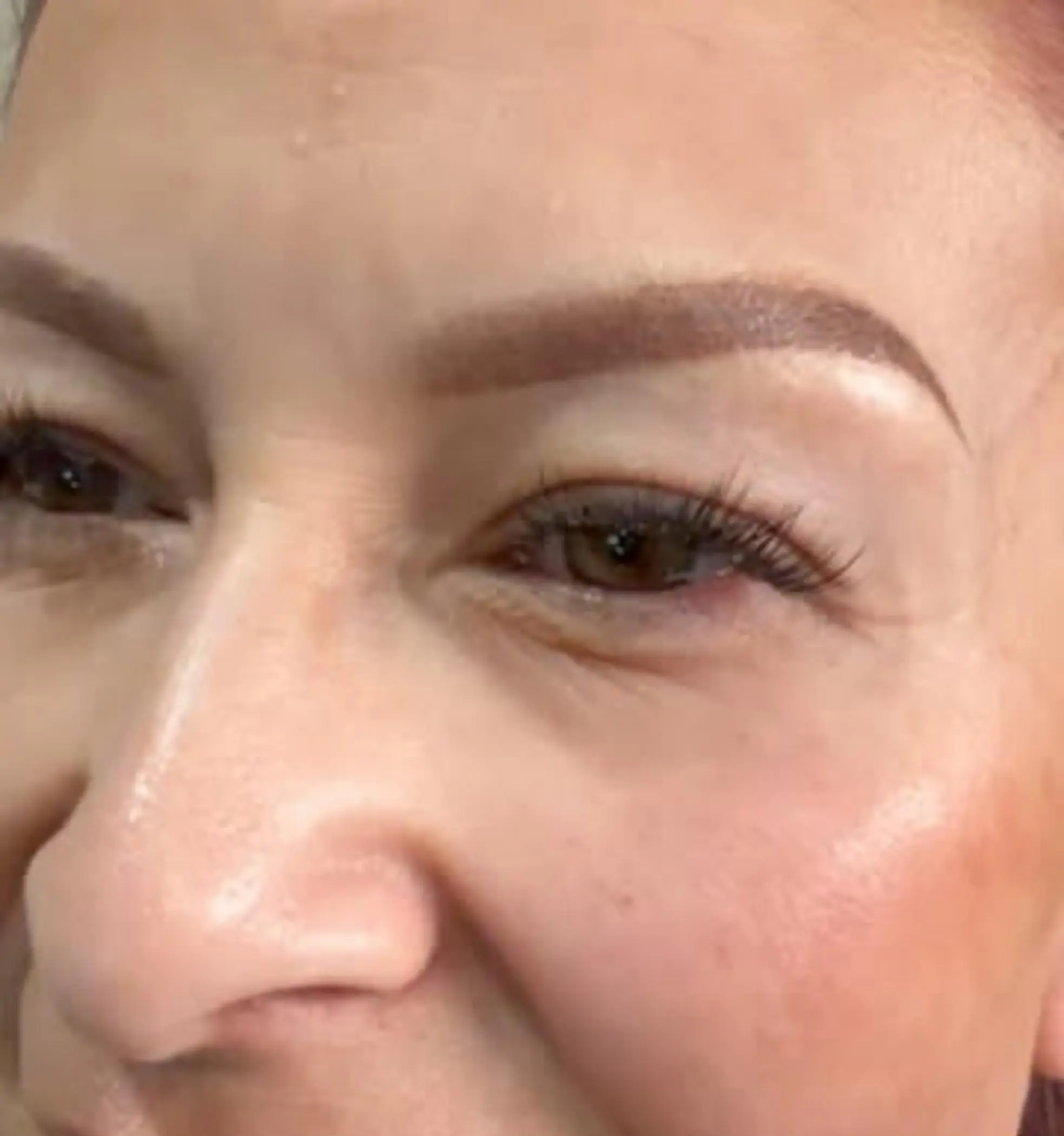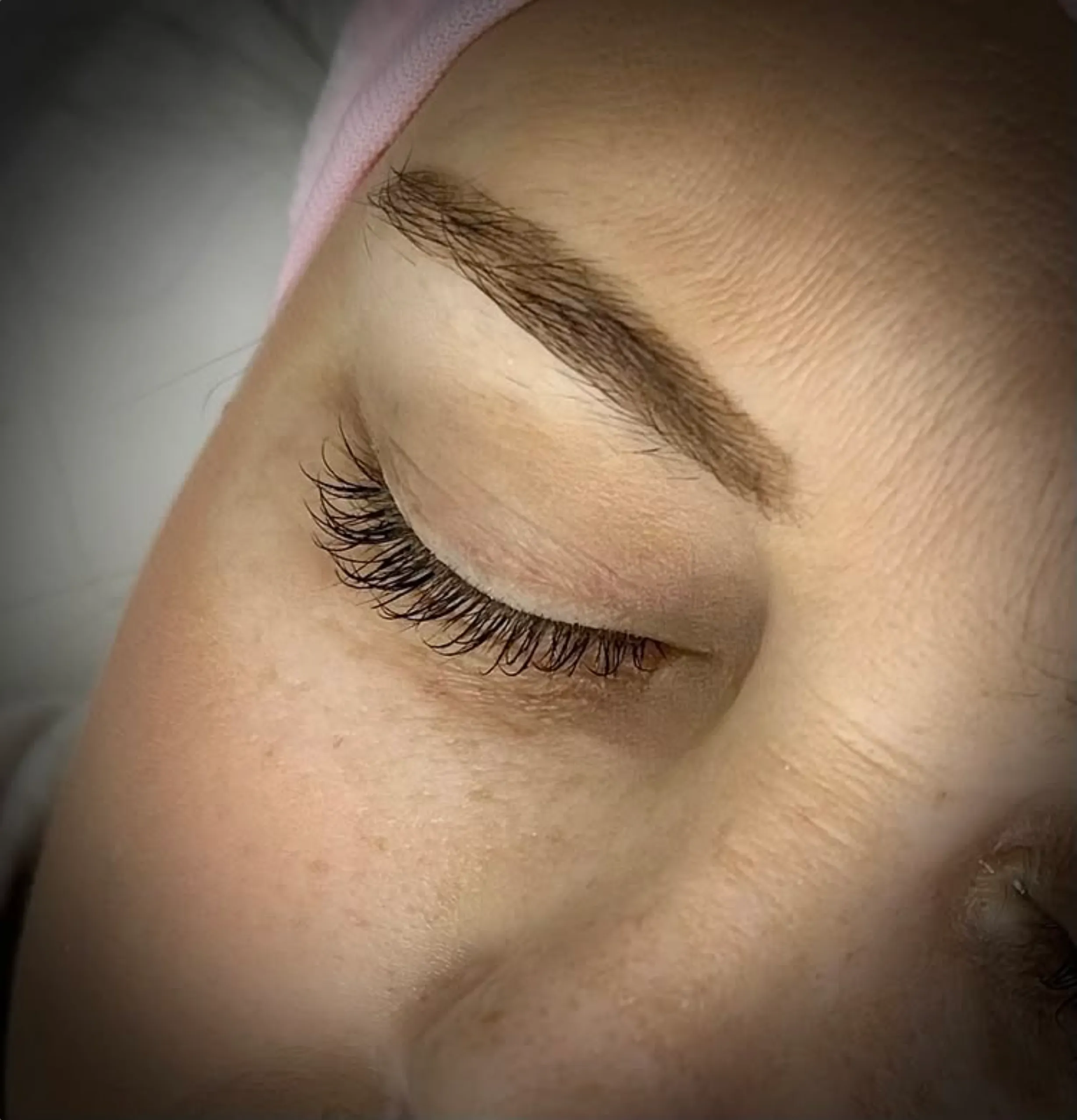
Lash extensions are semi permanent fibers, usually made from synthetic materials, mink or silk, that are glued to natural lashes one by one using a special adhesive. The process enhances the natural lashes to make them look fuller and more dramatic for a long period. Lash extension treatment depends on the quality of the lash extensions and the correct application techniques.
Looking for Lash Extensions in Brisbane? Find salons that prioritise safety and use hypoallergenic adhesives.
What are Lash Extensions?
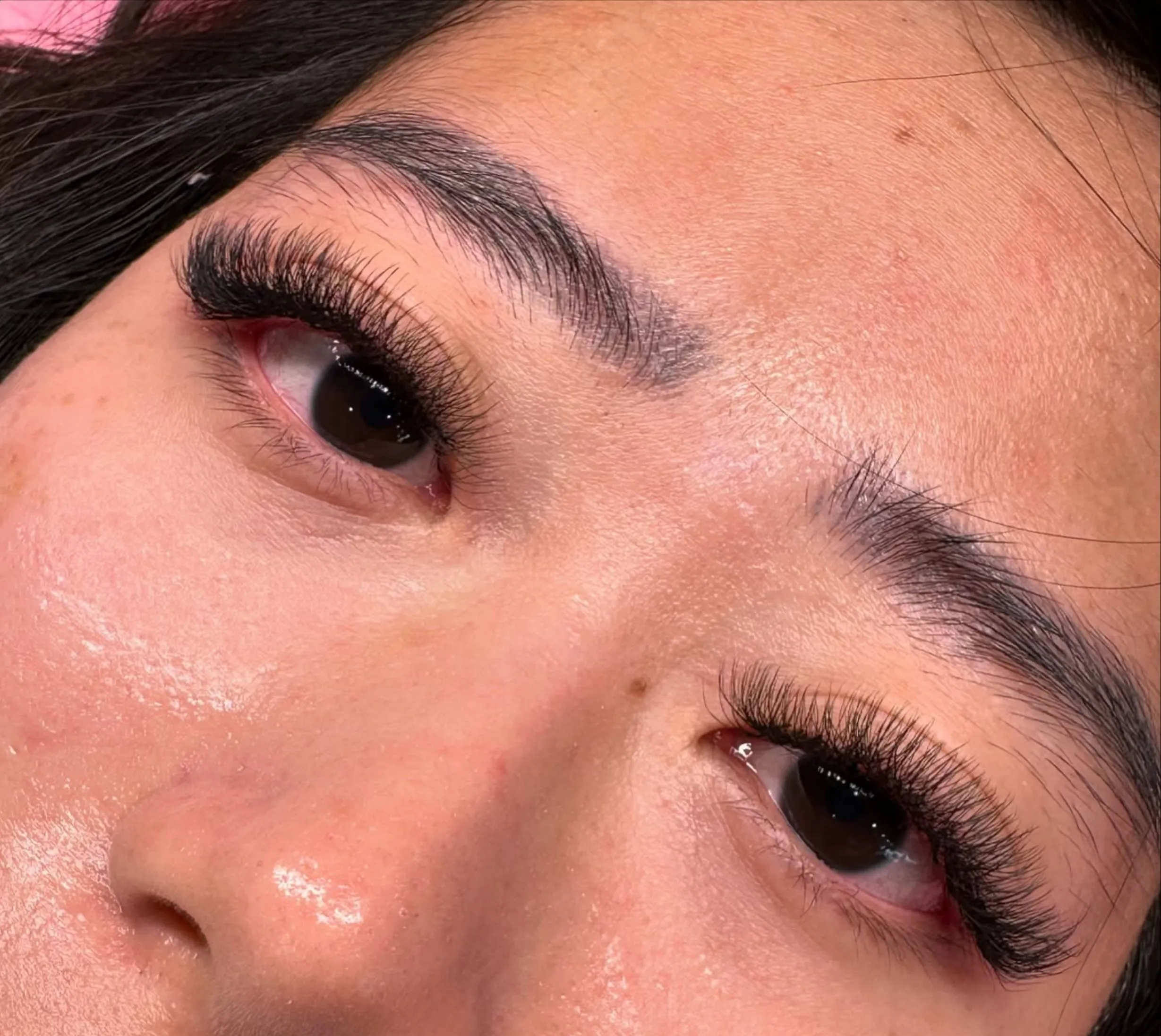
Lash extensions have become a beauty trend, giving you longer, fuller and more beautiful lashes without the need for mascara.
Lash extensions come in different types, classic, hybrid and volume lashes. The choice depends on the desired effect, eye shape and the health of the natural lashes. Lash technicians must follow the proper installation process to ensure a secure bond and long-lasting hold while prioritising client safety.
If you experience irritation or allergy from lash glue, you might be wondering: Can you become unallergic to lash extensions over time?
Understanding Allergic Reactions
Allergic reactions to lash extensions are caused by the lash extension adhesive used to bond the extensions to the natural lashes. Most lash glues contain cyanoacrylate, the key ingredient for fast drying and strong adhesion. But some chemicals in the glue, formaldehyde and latex can trigger allergic reactions in sensitive individuals, causing eyelid dermatitis and itchy eyelids.
The risk of irritation depends on the fume level of the glue, the range of humidity in the environment and the individual’s sensitivity to specific components in lash extension adhesives. Some clients may also experience allergic contact dermatitis due to repeated exposure to harmful chemicals found in low-quality glues.
Eyelash Extension Allergic Reactions
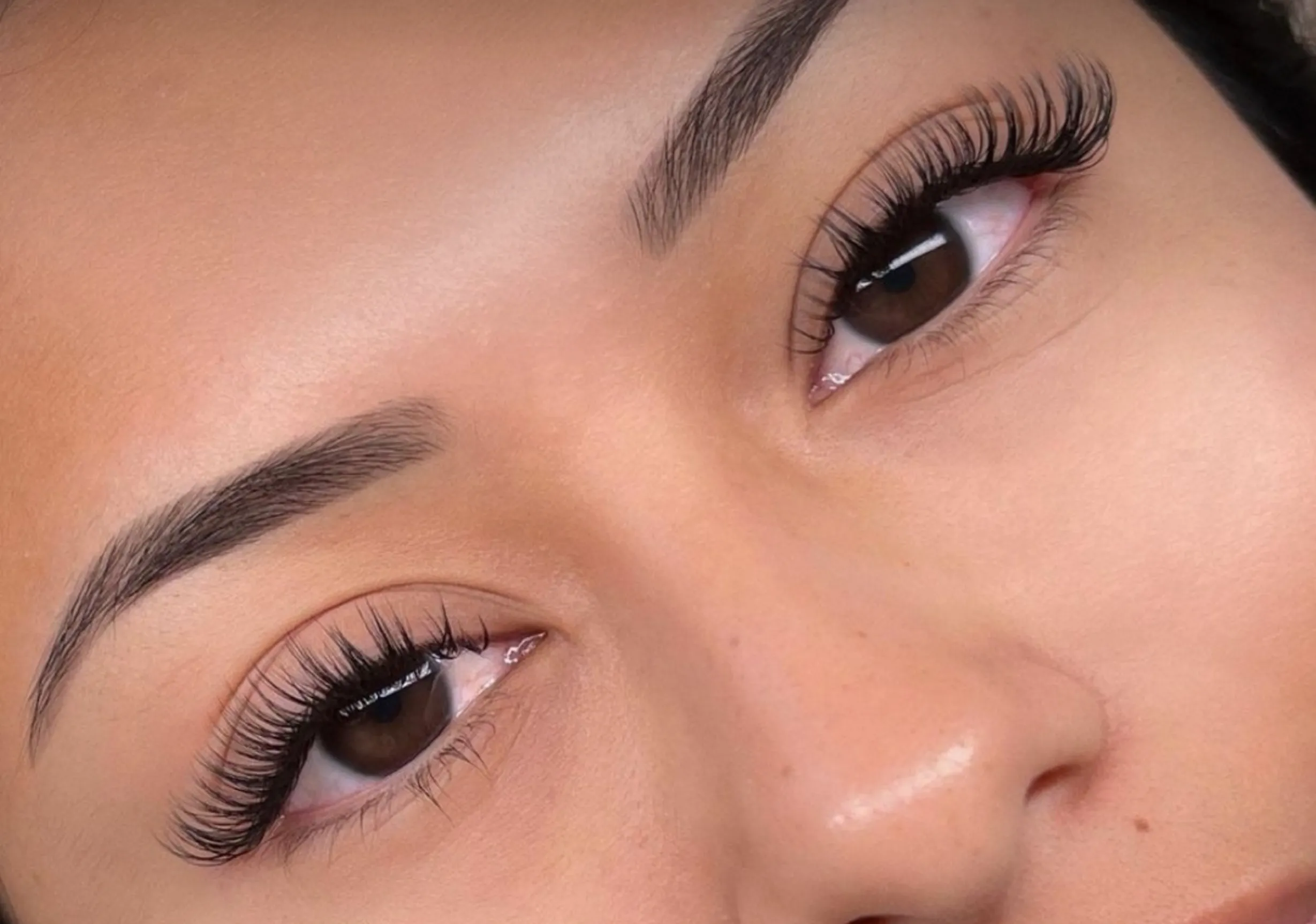
Some common reactions to eyelash extensions include:
- Redness and swelling around the eyelid skin
- Itchiness and irritation
- Watery or teary eyes
- Burning sensation
- Flaky or peeling skin around the eye area
- Eyelid inflammation
- Eye irritation and discomfort
These symptoms can show up within 24-48 hours of application and can range from mild to severe enough to require medical attention. The common culprit behind these reactions is usually the presence of harsh chemicals and toxic compounds in the adhesive. Reactions to lash extension adhesives can be mistaken for seasonal allergies, so make sure to consult an expert for a proper diagnosis.
Can You Become Immune to Eyelash Glue Allergies?
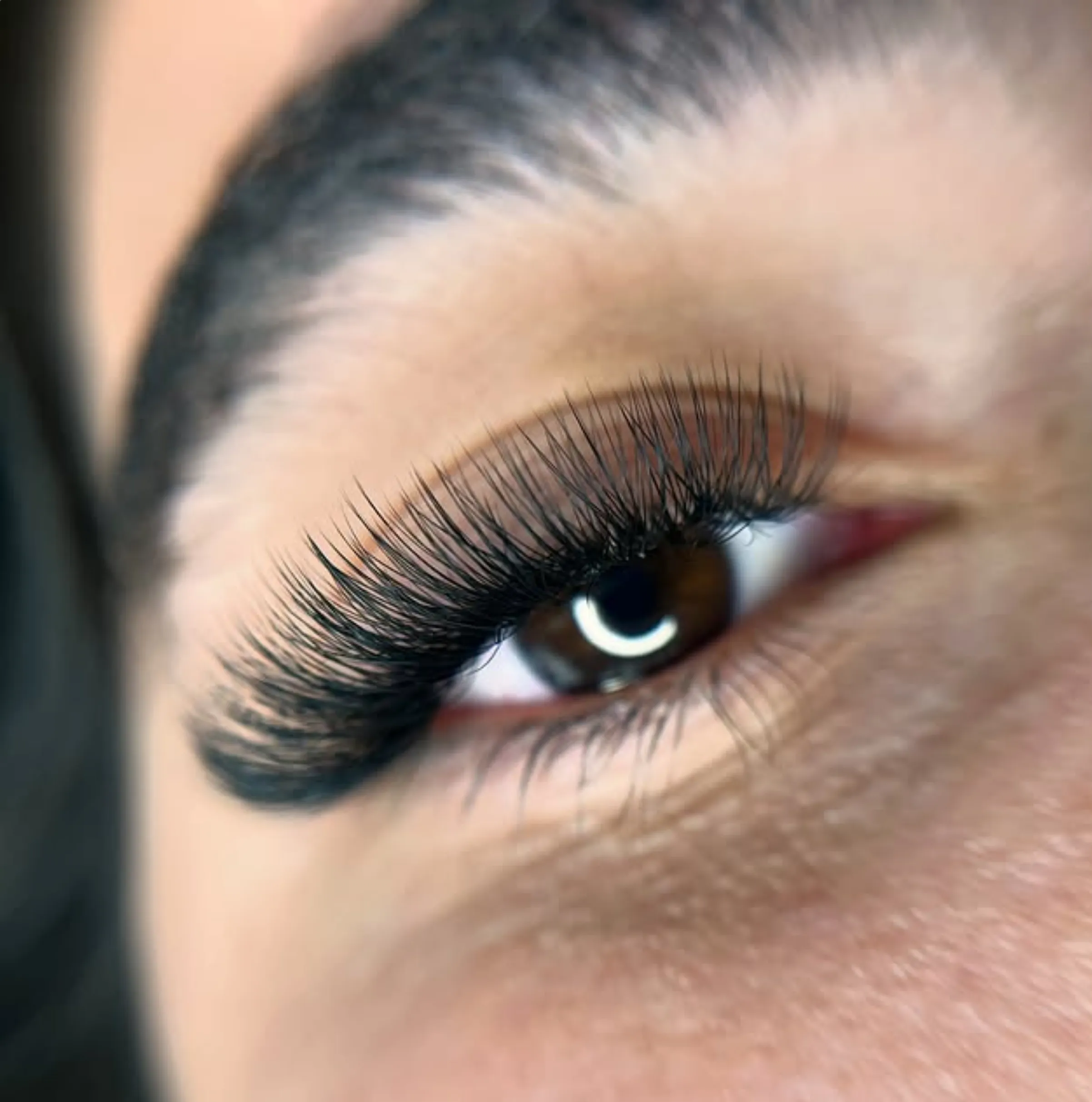
Becoming immune to an allergy is complex and depends on how the body reacts to the allergen in lash extension glues. Some people may become desensitized over time, while others may get worse with repeated exposure. Here are some ways to reduce allergic reactions:
1. Allergy Testing and Desensitization
Consult an allergist for a patch test to determine if you are truly allergic to lash glue. Patch tests are a must in identifying potential irritants and allergy symptoms. Some people opt for allergen immunotherapy, which is controlled exposure to small amounts of an allergen to train the body to tolerate it over time. Steps for patch testing can help you make an informed decision before a lash extension appointment.
2. Switch to Hypoallergenic Adhesives
Some reputable brands offer hypoallergenic lash extension glues with fewer irritants. These adhesives have lower levels of cyanoacrylate or use alternative bonding agents, such as butyl cyanoacrylate or formaldehyde-free alternatives, making them a safer option for lash extensions. Hypoallergenic glue provides a strong bond while minimizing irritation. Clients looking for hypoallergenic lash glue should review ingredient labels and emphasize ingredient transparency when choosing beauty products.
3. Fortify the Skin Barrier
A healthy skin barrier can help with allergic reactions. Using gentle formulas in skincare, avoiding harsh chemicals and applying hydrating eye creams can fortify the skin and reduce sensitivity to products. Following proper care instructions for lash extensions also reduces adverse reactions. Nourishing the eyelid skin can be a shield against irritants in lash adhesives.
4. Taking Antihistamines
Over-the-counter antihistamines can help with allergy symptoms. If you get mild reactions often, taking an antihistamine before your lash appointments may help with discomfort. Always consult a doctor before taking any medication. In some cases, using disposable contact lens cases or switching to a safer and better product may also help with irritation.
Alternatives to Eyelash Extensions
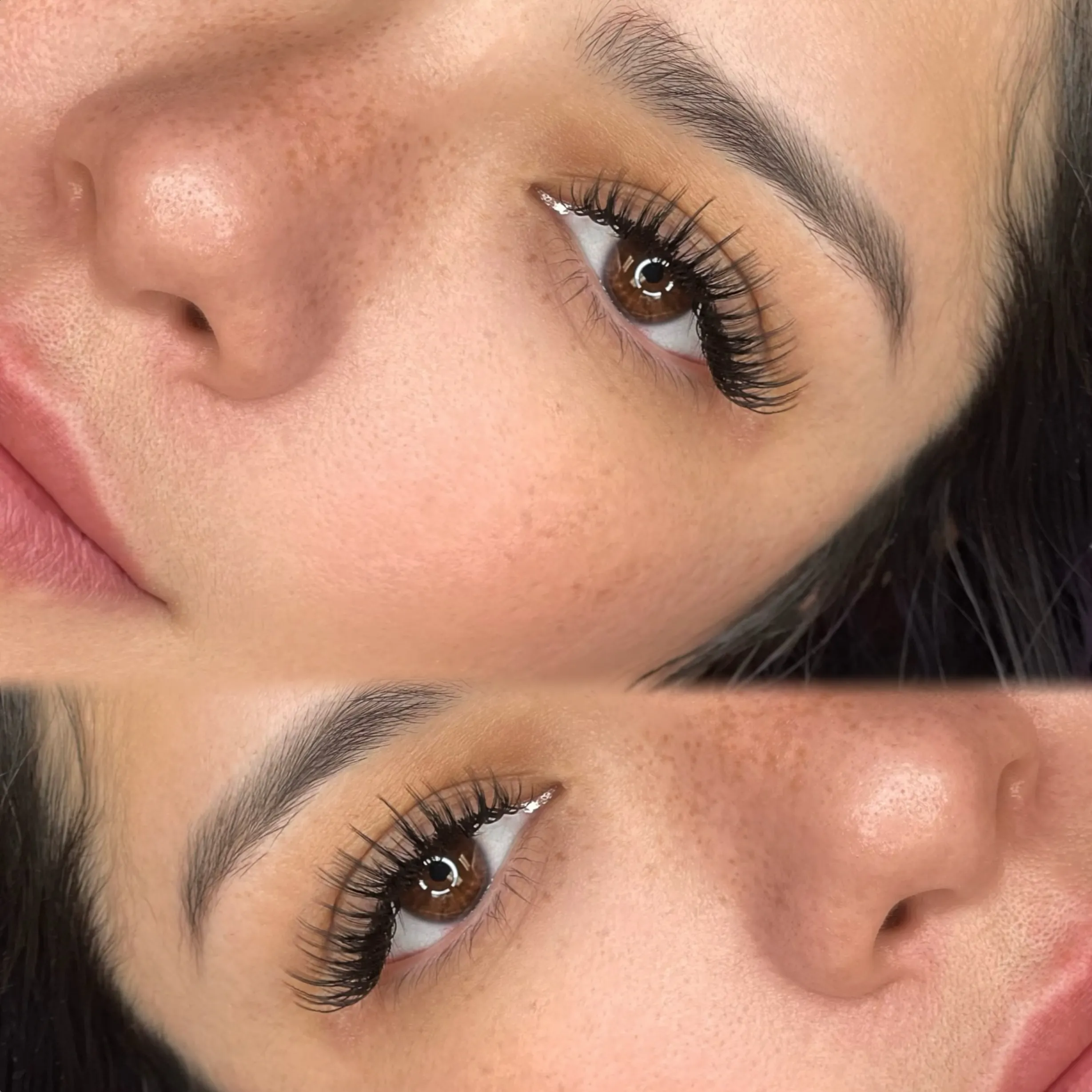
If you can’t tolerate classic eyelash extensions due to an eyelash extension allergy, here are some alternatives:
- Lash lifts and tints – These treatments enhance your natural-looking lash extensions without glue.
- Magnetic eyelashes – A safer option that uses magnets for attachment, no glue drying process.
- Eyelash serums – Growth serums can help strengthen and lengthen your natural lashes over time.
- Mascara – A high-quality, hypoallergenic mascara can give you length and volume without irritation.
- Safer products – Using formaldehyde-free products is a healthier way to lash enhancement.
Conclusion
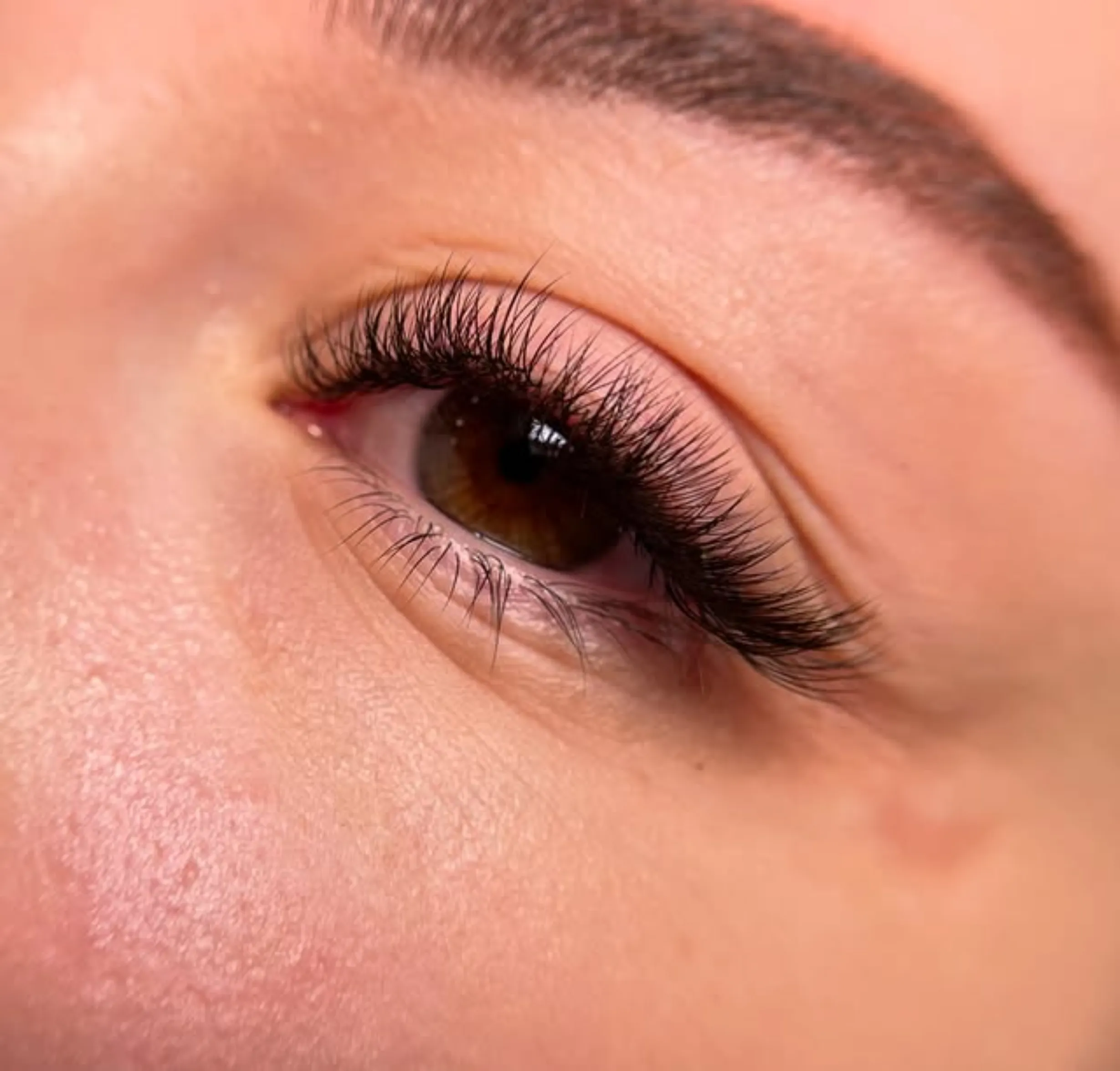
While some people may develop tolerance to the glue over time, there is no guarantee to become completely unallergic. If you react to eyelash extension glue, consult a pro and try hypoallergenic formulas or alternatives. When choosing beauty products, prioritize client safety, quality products and informed decision-making for a beautiful and hassle-free eyelash extension experience. Always follow manufacturer instructions, allow enough time for proper installation and consider safer application methods.
FAQ
Will an eyelash allergy go away on its own?
Allergic reactions will persist as long as you’re exposed to the allergen. Once the extensions and glue are removed, symptoms will subside within 2-3 days.
How do I know if I’m allergic to eyelash extensions?
Redness, swelling, itchy eyelids and irritation around the eyes within 24-48 hours of application. You can patch-test a small area of skin before application to check for reaction to cyanoacrylate and other irritants.
Are hypoallergenic eyelash glues safe for allergic individuals?
Hypoallergenic lash glue reduces the risk of irritation but may still contain non-irritating ingredients that can trigger a reaction in some people. Always check the ingredient list and patch test before full application.
Can I take medication to prevent eyelash-allergy extension allergies?
Antihistamines can help with mild reactions but won’t prevent allergies. Consult a doctor before taking any medication.
What should I do if I have a severe eyelash extension allergy?
Remove the extensions, rinse with water and seek medical help if you have eyelid scrubs, eyelid inflammation or flaky lids. Follow safer application methods and use hypoallergenic brands to reduce risk in future appointments.